
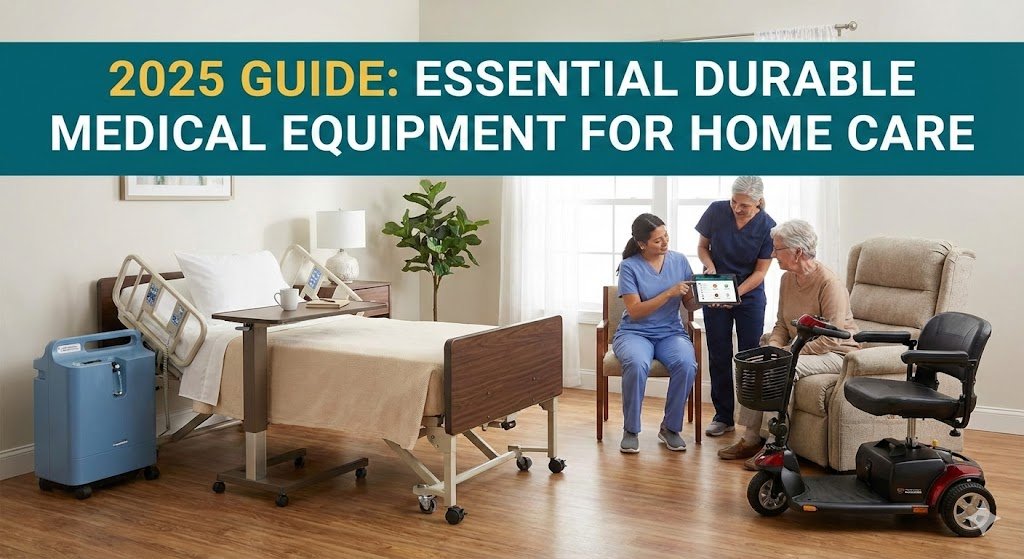
Home care support continues to advance as families search for reliable, easy-to-use durable medical equipment. The right tools can improve comfort, boost independence, and reduce stress for both patients and caregivers. This 2025 guide highlights the essential equipment every home care setup should consider.
Why Durable Medical Equipment Matters in Home Care
Durable medical equipment (DME) improves safety and daily living for individuals with chronic conditions, disabilities, or limited mobility. These products offer long-term use and provide essential support during rehabilitation. As home care grows more common, choosing the right DME becomes even more important.
Mobility Aids for Safe Movement
Mobility devices help users move with confidence and reduce fall risks. They also make daily tasks easier.
1. Wheelchairs
Wheelchairs remain one of the most vital pieces of equipment for home care. Lightweight designs offer smooth mobility. Advanced models now provide adjustable seating and improved cushioning. Many families prefer foldable wheelchairs because they save space.
2. Walkers and Rollators
Walkers give added stability to those recovering from injuries. Rollators include wheels and brakes, making walking easier and faster. They support outdoor and indoor use with excellent balance.
3. Canes
Canes offer simple support for short-distance walking. They help individuals who need minimal assistance. Adjustable canes fit users of different heights and provide secure grip handles.
Home Safety Equipment for Everyday Living
Safety equipment prevents injuries and ensures comfort throughout the home.
4. Hospital Beds
Hospital beds allow patients to adjust their position with ease. The raised head and foot sections improve breathing and reduce pressure points. Electric models give caregivers better control with simple buttons.
5. Bedside Commodes
Bedside commodes add convenience for patients with limited mobility. They reduce nighttime bathroom trips. Many models convert into toilet safety frames or raised seats.
6. Transfer Boards and Lift Systems
Transfer boards help caregivers move patients safely between surfaces. Lift systems reduce strain and allow smoother transfers. These tools protect both the patient and the caregiver.
Respiratory Equipment for Better Breathing
Respiratory support ensures steady airflow and helps manage chronic lung conditions.
7. Oxygen Concentrators
Oxygen concentrators deliver consistent oxygen levels at home. They operate quietly and run without heavy refill tanks. Portable units allow patients to stay active throughout the day.
8. CPAP and BiPAP Machines
These machines support individuals with sleep apnea. They improve sleep quality and reduce nighttime breathing issues. Modern devices include smart monitoring features for accurate tracking.
Daily Living Aids for Comfort and Independence
Simple tools make a big difference in everyday routines.
9. Shower Chairs and Grab Bars
Shower chairs increase bathing safety and prevent slips. Grab bars add strong support in bathrooms and hallways. Both products reduce fall risks and increase confidence.
10. Reachers and Dressing Aids
Reachers help users pick items without bending. Dressing aids make clothing easier to put on. These tools support seniors and individuals recovering from surgery.
Choosing the Right Durable Medical Equipment
The best equipment depends on the patient’s needs. Always consider safety, comfort, and ease of use. Reliable suppliers offer new-in-box products with proper warranties. Professional guidance ensures the equipment matches the patient’s condition and home layout.
Final Thoughts
Durable medical equipment remains essential for safe and effective home care. With the right tools, patients gain independence and comfort. Families also experience reduced stress and improved support. Use this guide to select the most useful DME for a safer and healthier home in 2025.